Q. Is sermorelin contraindicated in cancer?
A. Currently, there is no clear evidence showing sermorelin is linked to developing cancer. Some research suggests that growth hormone plays a role in supporting the function of the thymus gland, which supports the immune system (important in surveilling for and neutralizing precancerous cells). Non-REM sleep—which may be promoted by sermorelin—is linked to healthy immune function. However, sermorelin has not been specifically studied in patients with active cancer or tumors. For this reason, it is generally recommended to avoid using sermorelin if you currently have cancer or a known tumor.2,6,10
Q. Does sermorelin need to be titrated for initiation or weaned gradually for discontinuation?
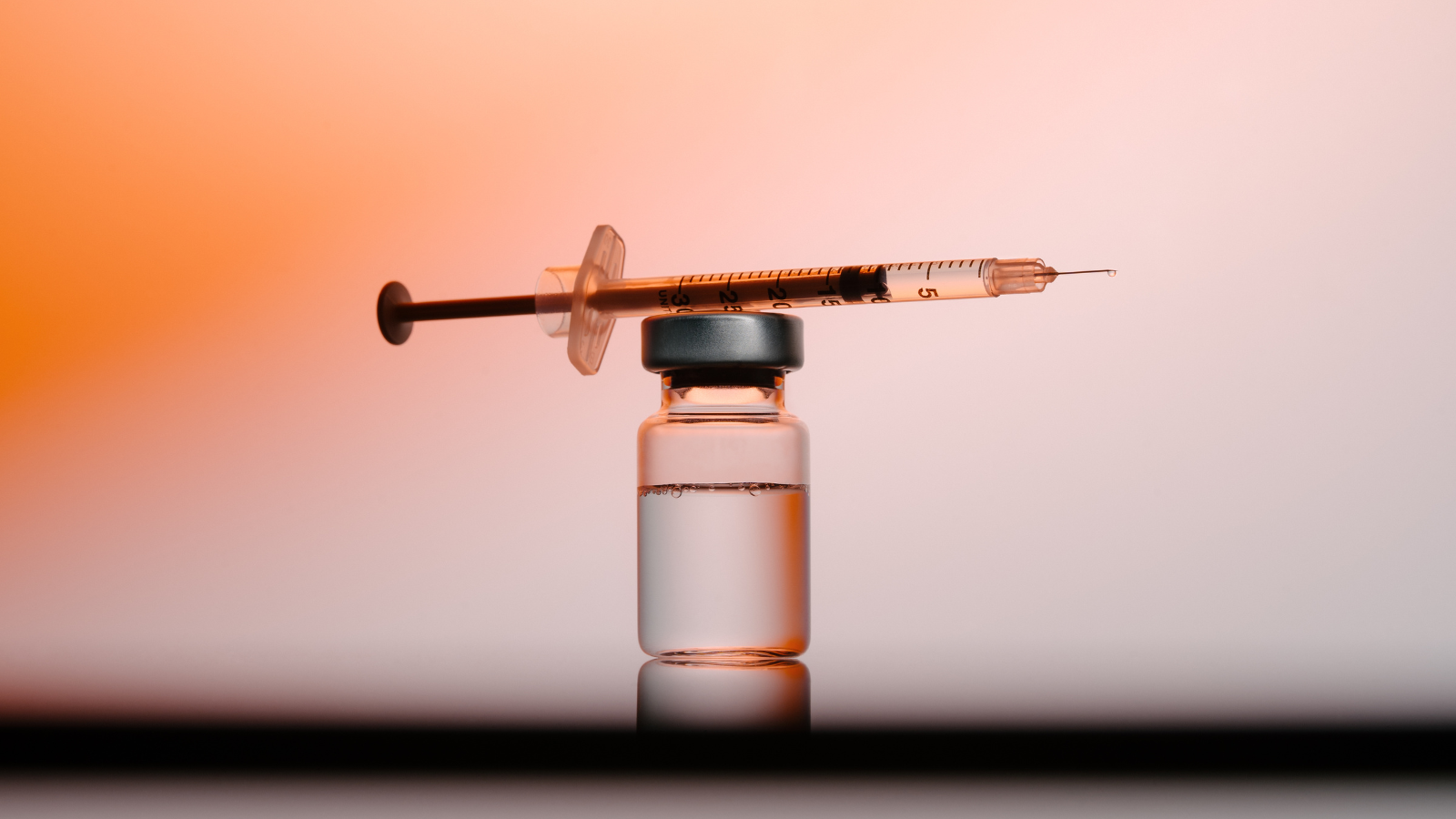
Sermorelin dosing is generally simple and does not require gradually increasing or tapering the dose when starting or stopping. For most patients, the typical dose is 30 units using an insulin syringe. Some people, especially those who are younger, with a smaller body size, or who tend to be sensitive to medications, may do well with a lower dose, such as 15 units.
Q. How is sermorelin different from exogenous growth hormone?
A. Sermorelin is not growth hormone and instead stimulates endogenous growth hormone release in natural pulses to mimic normal physiologic processes. In contrast, taking growth hormone directly bypasses the body’s regulatory system and has been associated with potential downsides such as reduced responsiveness over time and metabolic risks. Sermorelin works by supporting the body’s natural hormone regulation and may help maintain healthy insulin sensitivity and pituitary function.1,2 Individual results may vary.
Q. Is sermorelin contraindicated in thyroid disease?
A. It is not contraindicated in thyroid disease. It is important to note that thyroid function regulates metabolic rate, and hyperthyroidism can alter growth hormone secretion. The takeaway is sermorelin may not exert its full potential benefits in the context of untreated thyroid disease. Candidates for sermorelin should monitor and correct any underlying thyroid disorders.11,12
Q. Why should sermorelin be taken at night on an empty stomach?
A. Sermorelin works with the body’s hormone checks and balance system and is in part regulated by a hormone called somatostatin. After eating, somatostatin levels fluctuate, which may interfere with sermorelin's potential action. For this reason, it’s best to avoid late meals and also to take sermorelin at night, when our body naturally releases growth hormone.1 Eating late in the evening should be avoided in any case for sleep and metabolic health reasons. Gastric emptying of a typical meal takes around 2 to 4 hours.
Q. What is the reason for cycling sermorelin?
A. Cycling sermorelin for 5 days out of 7 is a best-practice to ensure its pharmacological activity does not diminish over time. If a biological signal stays present for a long time, it may make the receptors it acts on become less responsive. Studies suggest that after about 16 weeks of using sermorelin, the body may become less responsive to IGF-1, the hormone responsible for many of its benefits.13 For this reason, a 2–4 week break every 3 months is also recommended.